
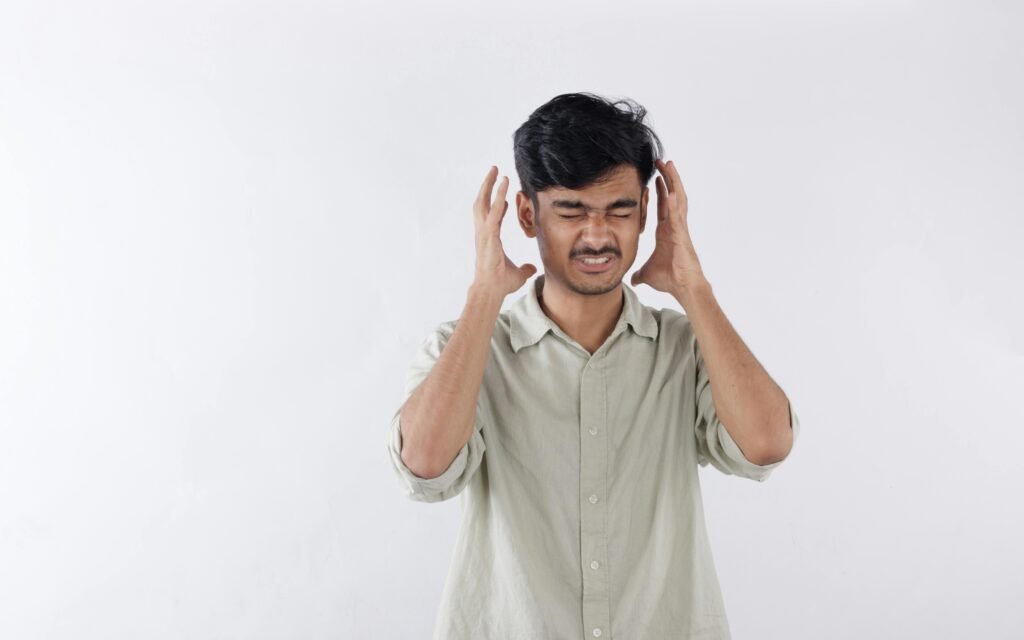
Youth refers to the transitional period from childhood to adulthood, characterized by significant biological, psychological, and social changes. During this phase, individuals often face new roles and responsibilities, which can be both exciting and challenging. Jekielek and Jones (2005) observed that this transition can be a period of growth and accomplishment when the individual has access to adequate resources to navigate these changes.
This stage also involves the development of personal identity. According to Erikson’s theory of psychosocial development, adolescence is marked by the conflict of identity vs. role confusion, where individuals strive to establish a coherent sense of self (Erikson, 1968). Identity is a continuous organizing principle shaped by experiences, beliefs, and values that contribute to a stable self-image. Youth who struggle to develop a personal identity may experience role confusion, characterized by uncertainty about oneself, dissatisfaction, and feelings of inadequacy.
Understanding Stress
Stress is defined as a state experienced when an individual perceives environmental demands as exceeding their personal capacity to cope (Selye, 1956). Stress can be triggered by specific situations that activate negative thoughts and emotions (Wang, 2005). Chronic or high levels of stress can impact youth across multiple domains:
- a) Behavioral Effects– High stress levels can lead to maladaptive coping behaviors such as overeating, alcohol or drug use, and social withdrawal. These behaviors often reflect an avoidance coping style, where the individual attempts to evade rather than confront stressors.
- b) Physical Effects– Prolonged stress can contribute to headaches, body pain, disrupted sleep patterns, digestive issues, and a weakened immune system, leading to slower recovery from illnesses (McEwen, 2007).
- c) Psychological Effects– Chronic stress is associated with symptoms of depression, anxiety, low mood, irritability, and feelings of frustration or helplessness (Compas et al., 2017).
- d) Cognitive Effects– Stress can impair decision-making, attention, memory, and planning abilities, making it more difficult for youth to manage daily responsibilities effectively (Lupien et al., 2009).
Psychological Management of Stress in Youth
Emotion-Focused Strategies
Emotion-focused strategies aim to help youth understand, accept, and process their feelings. Mindfulness practices such as meditation, deep-breathing exercises, and body scans encourage adolescents to observe emotions without judgment, reducing negative reactions (Creswell, 2017). Techniques like emotion labeling—naming feelings such as “I feel anxious”—increase emotional awareness and control. Distress tolerance skills from Dialectical Behavior Therapy (DBT) teach adolescents to endure uncomfortable feelings without resorting to avoidance or harmful behaviors (Linehan, 2015).
Cognitive-Focused Strategies
Cognitive-focused strategies target thought patterns to reduce distorted thinking and improve problem-solving. Cognitive Behavioral Therapy (CBT) helps youth identify negative automatic thoughts, challenge their accuracy, and replace them with realistic alternatives (Beck, 2011). Cognitive interventions also include skill-building exercises like reframing problems, generating actionable solutions, and monitoring thought patterns to recognize recurring stress triggers. These strategies foster a sense of control and resilience in adolescents.
Behavioral-Focused Strategies
Behavioral strategies involve actions and routines that reduce stress or its impact. Regular physical activity, such as running, yoga, or team sports, lowers cortisol levels and boosts mood (Biddle & Asare, 2011). Stress inoculation training (SIT) exposes youth to manageable stressors while teaching coping skills, strengthening resilience over time. Maintaining structured routines, prioritizing tasks, and engaging in hobbies or creative activities also stabilize mood and provide a sense of accomplishment.
Social and Support-Focused Strategies
Strong social connections are vital for stress management. Relationships with family, friends, mentors, and peers provide emotional guidance, practical advice, and a sense of belonging. Peer support groups, youth clubs, and structured mentoring programs create safe spaces for sharing experiences and practicing interpersonal skills (Thoits, 2011). Family involvement, through effective communication and guidance, reinforces coping strategies and provides an emotionally supportive environment.
Professional Interventions
For adolescents experiencing significant stress, professional psychological support is essential. Evidence-based therapies such as CBT, DBT, Acceptance and Commitment Therapy (ACT), and Mindfulness-Based Stress Reduction (MBSR) provide structured, individualized strategies for managing stress (Hayes et al., 2011). Psychoeducation about the nature of stress, its effects, and adaptive coping strategies also helps youth normalize their experiences and adopt healthier responses. Early intervention not only alleviates current distress but equips adolescents with lifelong coping skills.
References:
Beck, J. S. (2011). Cognitive behavior therapy: Basics and beyond (2nd ed.). Guilford Press.
Biddle, S. J. H., & Asare, M. (2011). Physical activity and mental health in children and adolescents: A review of reviews. British Journal of Sports Medicine, 45(11), 886–895.
Compas, B. E., Jaser, S. S., Bettis, A. H., Watson, K. H., Gruhn, M., Dunbar, J. P., Williams, E. K., & Thigpen, J. C. (2017). Coping, emotion regulation, and psychopathology in childhood and adolescence: A meta-analysis and narrative review. Psychological Bulletin, 143(9), 939–991.
Creswell, J. D. (2017). Mindfulness interventions. Annual Review of Psychology, 68(1), 491–516.
Erikson, E. H. (1968). Identity: Youth and crisis. Norton.
Hayes, S. C., Strosahl, K. D., & Wilson, K. G. (2011). Acceptance and commitment therapy: The process and practice of mindful change (2nd ed.). Guilford Press.
Jekielek, S. M., & Jones, J. (2005). The transition to adulthood: Characteristics of young adults ages 18–24 in America. Child Trends.
Linehan, M. M. (2015). DBT skills training manual (2nd ed.). Guilford Press.
Lupien, S. J., McEwen, B. S., Gunnar, M. R., & Heim, C. (2009). Effects of stress throughout the lifespan on the brain, behaviour and cognition. Nature Reviews Neuroscience, 10(6), 434–445.
McEwen, B. S. (2007). Physiology and neurobiology of stress and adaptation: Central role of the brain. Physiological Reviews, 87(3), 873–904.
Selye, H. (1956). The stress of life. McGraw-Hill.
Thoits, P. A. (2011). Mechanisms linking social ties and support to physical and mental health. Journal of Health and Social Behavior, 52(2), 145–161.
Wang, M. C. (2005). Stress, coping, and adolescent adjustment: A review of literature. Journal of Youth and Adolescence, 34(4), 335–348